
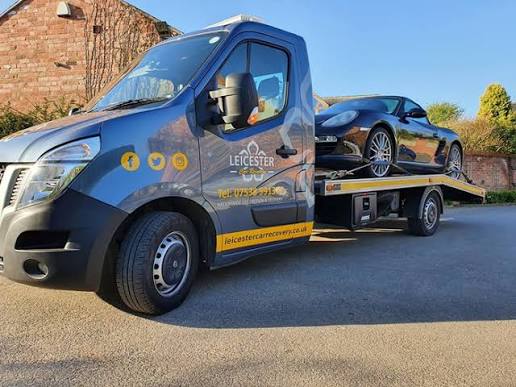
Having a vehicle transported for the first time can feel like a complicated process. You are handing over an expensive possession and trusting someone else to move it safely from one location to another, potentially hundreds or thousands of miles away.
Fortunately, vehicle collection and delivery is fairly straightforward when you know what to expect. Whether you are relocating, buying a car from another state, or sending a vehicle to a family member, understanding the process beforehand can make the experience much easier.
Table of Contents
Start by Arranging the Transport
The first stage is finding a suitable vehicle transportation service. You will usually need to provide information about the car, its current location, its destination, and your preferred collection and delivery dates.
The type of vehicle can affect transportation arrangements. A standard family car, for example, may have different requirements from a large pickup, modified vehicle, or classic car.
Location matters too. If the vehicle is being moved into or out of New York City, researching Queens car shippers can help you explore transportation options relevant to the area.
Prepare Your Vehicle for Collection
Before the driver arrives, spend some time preparing your vehicle. Remove personal possessions and anything valuable that does not need to remain inside the car. It is also worth checking whether your chosen transportation provider has specific rules about items left in the vehicle.
Make sure the car is reasonably clean, particularly on the outside. A clean exterior makes existing scratches, dents, and other marks easier to identify.
Take clear photographs of the vehicle from several angles before collection. Include close-up photographs of any existing damage. These images provide a useful record of the vehicle’s condition before it is transported.
What Happens at Collection?
When the driver arrives, the vehicle will normally be inspected before it is loaded. You may be asked to confirm its condition and complete or sign relevant paperwork.
This is a good opportunity to ask any final questions about the delivery process. Check that the driver has the correct destination details and confirm how you will receive updates if plans or timings change.
Once everything is agreed, the vehicle can be carefully loaded onto the transporter.
Be Flexible About Timing
Vehicle transportation does not always work like parcel delivery. Drivers can cover considerable distances and may be collecting or delivering several vehicles along their route.
Traffic congestion, severe weather, mechanical problems, road closures, and other unexpected issues can affect arrival times. For this reason, collection and delivery dates may sometimes be provided as windows rather than exact times.
Keeping your phone nearby around the expected collection and delivery periods can make communication easier.
Inspect the Vehicle on Arrival
Do not simply take the keys and walk away when your vehicle reaches its destination. Give it a careful inspection first.
Compare its condition with the photographs you took before collection and check for anything unusual. If someone else is receiving the car for you, ask them to perform the same checks.
Complete any required delivery paperwork only after carrying out the inspection and raise concerns promptly if something appears wrong.
Make Your First Vehicle Delivery Less Stressful
The idea of handing your vehicle over to a transporter may initially seem daunting, but knowing the basic process removes much of the uncertainty. Prepare the car properly, keep records of its condition, understand the expected timeframe, and inspect it carefully on arrival.
With those simple precautions in place, vehicle collection and delivery can be a practical alternative to making a long journey behind the wheel yourself.