

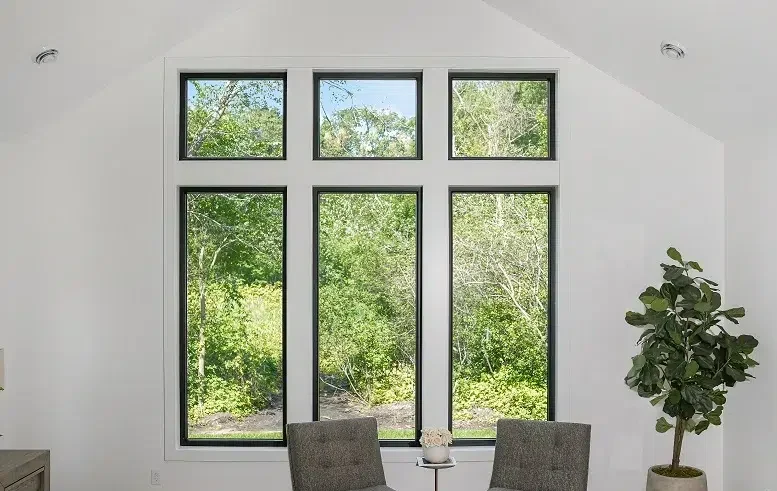
Window replacement comes with enough decisions without factoring in whether to pay more for custom sizes or stick with standard dimensions. The price difference can be 20-40% and in some cases, twice as expensive for custom if there is an unusual size or shape. But what is worth the extra money, and what is throwing it away?
If you have a really specific old home, sometimes custom windows are your only option. Sometimes custom windows do not add a functional value except for the word ‘custom.’
Table of Contents
When Standard Sizes Work
Standard window sizes exist because they accommodate many homes built over the last several decades. Essentially, builders create and work with specific dimensions that are more cost effective, efficient, and already available.
Most homes were built with rough openings that, when it comes time for replacement, have the same window installation requirements.
Standard window sizes for double-hung windows, for example, are 24, 30, 36 and 48 inches wide and standard sliding windows are 36, 48, 60 and 72 inches wide. Picture windows come in various standard configurations as well but these sizes accommodate the majority of homes without modification.
Standard windows ship quicker because they are either readily available through stock or created en masse. While lead times for standard windows are approximately 2-4 weeks, custom windows might take 6-10 weeks.
Moreover, installation is easier. Contractors expect standard measurements and know more or less what to anticipate.
Money is saved on standard windows which is why for a whole-house replacement window project, it may be more cost effective to go standard with $3000-$8000 savings compared to standard window costs. That’s enough money to buy better quality glass packages or create a whole different project.
When Custom Windows Are a Necessity
Some homes inherently require custom windows and trying to fit standard windows into the equation presents more serious considerations than the added cost.
Older homes pre-standard window existence often have rough openings that require custom fitting anyway. For example, if a window opening is 33 inches wide, a 30 inch or 36 inch standard window will not fit without major structural redesigns of the home. At that point, it’s better to get the custom window than pay a carpenter to build the rough opening back up.
Some window shapes are inherently custom due to unique architectural designs such as octagon bathroom windows or trapezoid kitchen windows or arched top windows that are six feet high, with no specific standard size. When replacing with custom energy efficient windows in order to maintain similar qualities and performance, the costs make more sense to custom fit than to destroy the architecturally beautiful look.
Historic homes often require custom windows because there are preservation laws or neighborhood rules about specific measurements or aesthetic standards. Some historic districts require homeowners to maintain certain appearances which precludes anything standard from fitting.
When It’s Not Clear-Cut
Sometimes homes fall into a gray area between optional standards or definite musts of customs. These are the decisions that require thresholds of effort versus value.
For example, windows that align with standards but differ by a few inches present dilemmas where $200-$400 per window matter on whether going customized will add value or not. If someone has an opening that’s 38 inches wide, it’s between standards. A modified frame on a standard 36 can work but may not look as clean as a true custom window at 38. Is the aesthetic worth it?
Matching existing architectural details can cause similar qualms as well. If three windows in the house have grids and one needs to be replaced, should it be a custom match now that it’s one-third of the cost or can it be deemed okay as a singular grid-less window?
Sometimes energy performance becomes crucial for unique situations with customs now because of window standards; they come with glass package standards but offering customs allows homeowners to order specifics like low-E coatings, gas fills or tinting which may present valuable options for better energy conservation throughout specific climates and orientations.
Ultimately, weigh the pros and cons to decide what’s most important.
The Problems That Arise From Forcing Standard Sizes
Attempting to make windows fit where they do not creates bigger issues that cost more than paying for custom windows to begin with.
Filling gaps becomes expensive when windows are improperly sized. Extensive gaps require additional trim work that does not always look right. Even blended carpentry work shows obvious signs of renovation and not proper fit.
Making structural adjustments from rough openings takes away drywall and siding replacement costs which may end up being more expensive than going through the effort of purchasing different sizes instead of customizing.
Air gaps develop when insulation is improperly used-even when it’s done right-when windows are not supposed to be there; functionally speaking, there are no benefits to poorly fitting windows as opposed to their counterparts custom made for spacing.
When Custom Are Ultimately Worth It
When the architectural aesthetic of a home demands certain expectations of customs, then they’re worth it despite extra costs.
High-end residential properties where aesthetics play a greater role in property value should pay special attention to proportions. Higher-end buyers prioritize details over things so integrated customs yield value.
Rooms with specific exposure need special attention as well with energy loss-various aspects could benefit from specialized glass or dimension packages unavailable through standard operations. For example, west-facing rooms could be overheated for afternoon sun; special glass alignment makes a difference beyond standard selections.
Unusual layouts or spaces could benefit from adding extra width or height as dark areas could potentially become more livable should larger windows provide sufficient light and views-and if this means paying more for those luxuries, then it’s worth it.
Making Your Decision
Measure your window openings first-get them measured professionally so you know if it’s possible for standard dimensions or if custom is necessary for peace of mind.
Get quotes from both options when necessary-the difference may be minuscule or greater than anticipated over general estimates so having an idea relevant to your particular project makes a difference.
Consider the whole house-maybe all of them can be standard except where it’s truly necessary-this allows for easy replacement where effort is reconciled in other locations.
Consider how long you’ll live in your home-if you’re there forever, customs make more sense if they’ll look better perfectly aligned than if you’re selling in two years.
Custom windows are not always better; standards are not always good enough either-find the specifications that matter most in your situation so you can spend money where it counts but not make ulterior investments just because custom sounds better.