
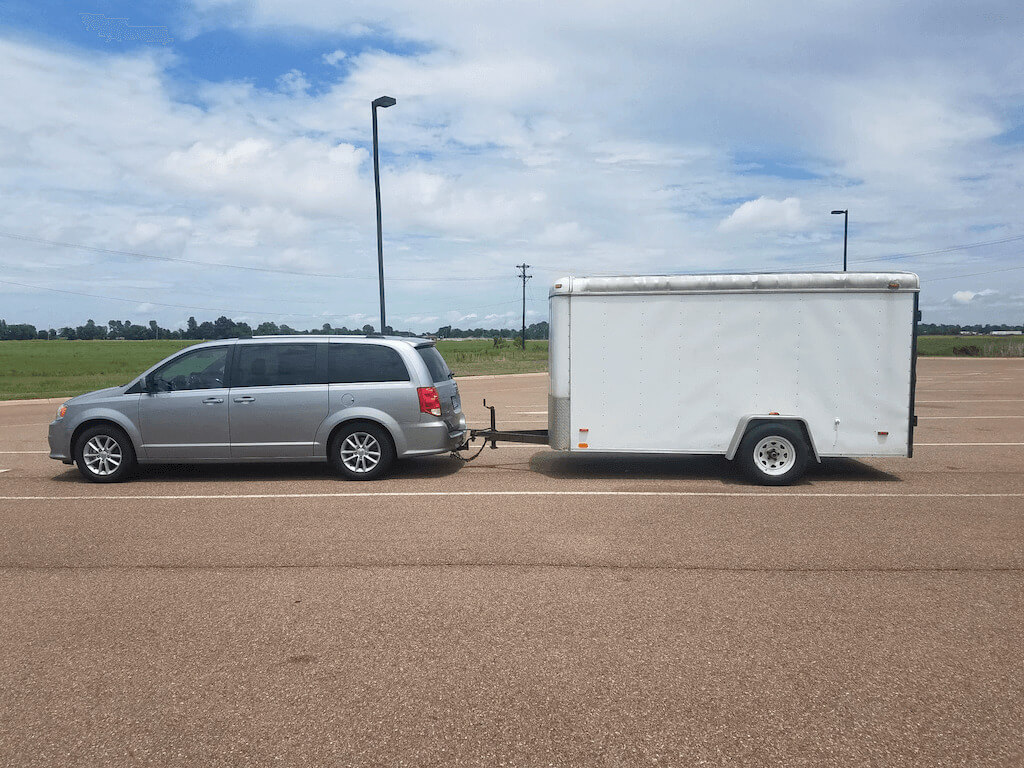
Trailers seem simple compared to the vehicles towing them. No engine, no transmission, just a frame with wheels and whatever you’re hauling. That simplicity is real enough, but it creates a false sense that trailers don’t need much attention. The truth is that keeping a trailer reliably road-worthy over years takes consistent effort and a willingness to replace parts before they fail spectacularly.
The wear patterns on trailers are different from cars or trucks. Trailers sit unused for longer periods, then get worked hard when they’re needed. They’re exposed to weather while parked, collect road grime and salt spray while traveling, and carry loads that stress every component. All of this happens without the benefit of a dashboard warning light to flag problems before they become serious.
Table of Contents
The Parts That Wear Whether You Use the Trailer or Not
Bearings are probably the single most important maintenance item on any trailer, and they need attention on a schedule regardless of how many kilometers get logged. Wheel bearings that sit unused can develop dry spots where grease has settled away from the races. When the trailer finally gets used, those dry spots cause rapid wear.
The standard advice is to repack bearings annually or every 10,000 kilometers, whichever comes first. For trailers that don’t see that much use, the annual schedule still matters. The process involves removing the wheels, pulling the hubs, cleaning out old grease, inspecting races and rollers for pitting or wear, and repacking with fresh grease. It’s not complicated work, but it does take time and attention to detail.
Skipping bearing maintenance leads to hot hubs, which lead to bearing failure, which leads to wheels coming loose or seizing. That’s a breakdown scenario that’s expensive and dangerous. Fresh bearings and regular greasing prevent nearly all of these failures.
Tyres age out even when they’re not being driven much. UV exposure degrades rubber, and tyres that sit in one position for months develop flat spots and sidewall cracks. Trailer tyres often reach their age limit (usually around six years) before they wear out from actual use. Checking manufacture dates and replacing aged tyres prevents blowouts, which on a trailer can be particularly dramatic because the trailer often keeps rolling for a bit before the driver even notices something’s wrong.
What Road Conditions Do Over Time
Australian roads throw everything at trailers, from smooth highways to corrugated dirt tracks that shake every bolt loose. The suspension components, whether leaf springs or independent setups, take constant pounding that gradually weakens metal and loosens connections.
Leaf spring trailers develop issues with worn bushings, cracked spring leaves, and loose U-bolts. The bushings wear from the constant flexing of the springs, creating play that makes the trailer handle poorly and accelerates wear on other components. Replacing bushings isn’t expensive in parts cost, but it requires pressing out old bushings and pressing in new ones, which needs either the right tools or a workshop visit.
Spring leaves can crack from metal fatigue, particularly if the trailer regularly carries heavy loads or travels rough roads. A cracked leaf doesn’t always cause immediate failure, but it reduces the spring’s effectiveness and puts more stress on the remaining leaves. Finding and replacing a cracked leaf before it breaks completely prevents a roadside disaster.
Independent suspension systems have their own wear patterns. Ball joints, shock absorbers, and control arm bushings all gradually deteriorate. These systems generally ride smoother and handle better than leaf springs, but they have more components that need periodic inspection and replacement.
Suspension work often reveals other issues. When everything’s apart to replace bushings or shocks, it’s the perfect time to check brake components, steering linkages, and axle condition. This is where having access to trailer parts online australia (or another local area) becomes practical, since multiple components might need replacing once the inspection reveals what’s actually worn.
The Electrical Gremlins That Multiply
Trailer wiring seems straightforward until problems start. Lights that worked fine last time suddenly don’t. Indicators flash erratically. Brake lights work on one side but not the other. These issues crop up because trailer electrical connections live in a hostile environment.
The plug and socket connection between vehicle and trailer is constantly exposed to weather, road spray, and physical wear from plugging and unplugging. Corrosion builds up on the pins, resistance increases, lights dim or stop working entirely. Cleaning connections and applying dielectric grease helps, but eventually plugs and sockets need replacement.
Wiring along the trailer chassis gets abraded by vibration, damaged by debris, and degraded by UV exposure. Finding electrical faults often means tracing wires along their entire length looking for breaks, worn insulation, or poor connections. It’s tedious work, but the only real fix is replacing damaged sections properly.
LED lights have become standard on newer trailers because they’re more reliable and draw less current than incandescent bulbs. But older trailers with traditional lights need regular bulb replacement, and the housings themselves eventually fail from water intrusion and impact damage. Upgrading to LED assemblies eliminates most of these ongoing issues.
Brake Systems That Need Regular Attention
Trailer brakes, whether electric or hydraulic, are critical safety equipment that degrades with use and time. Electric brake systems use electromagnets to activate the brakes, and these magnets wear down from friction. The wearing surface on the magnets eventually gets thin enough that braking performance drops noticeably.
Brake shoes or pads wear just like they do on cars, but trailer brakes often wear unevenly because the adjustment isn’t checked regularly. One side might be doing most of the work while the other side barely contacts. This uneven wear creates pulling and reduces overall braking effectiveness.
Hydraulic systems have additional complexity with fluid, lines, and cylinders that all need attention. Brake fluid absorbs moisture over time, reducing its boiling point and causing internal corrosion. The fluid should be flushed and replaced every couple of years regardless of how much the trailer gets used.
Adjusting trailer brakes isn’t difficult, but it needs to be done correctly for even, effective braking. The adjustment procedure varies by brake type, but generally involves ensuring each wheel is contributing equally to braking force. Getting this right makes a huge difference in how the trailer handles during stops.
The Frame and Structural Issues
Trailer frames endure constant stress from the loads they carry and the forces of acceleration, braking, and cornering. Welds can crack, particularly around high-stress points where components attach to the frame. These cracks often start small and aren’t immediately obvious, but they grow with continued use.
Regular inspection should include checking welds, looking for rust perforation, and ensuring mounting points for suspension and coupling components are still solid. Catching a cracked weld early means a simple repair. Finding it after the crack has propagated through the entire joint means much more extensive welding and potentially structural damage.
Rust is a constant battle, particularly on trailers that see boat ramp duty or carry wet loads. Salt water is particularly aggressive, but even trailers that never see the ocean deal with road salt in winter and general moisture exposure. Keeping the trailer clean and touching up paint damage limits rust progression, but some corrosion is inevitable over the years.
The coupling and jockey wheel assembly takes huge loads and needs to be kept in good condition. The coupling mechanism should move freely, lock positively, and show no signs of excessive wear. The jockey wheel needs to raise and lower smoothly and support the trailer’s weight without wobbling or binding.
The Replacement Schedule Reality
Different components have different service lives, but most wear items on trailers fall into predictable patterns. Bearings need attention annually. Tyres last around six years. Brake components might go two to four years depending on use. Suspension bushings could last five years or more on a trailer that sees gentle use, or wear out in two years with heavy loads and rough roads.
Keeping track of when things were last serviced or replaced helps prevent surprises. A simple log noting bearing repacks, tyre replacements, brake adjustments, and other maintenance creates a picture of the trailer’s service history. This record also helps identify patterns, where certain components seem to wear faster than expected, which might indicate an underlying issue.
The cost of trailer maintenance adds up over the years, but it’s spread out over time and is generally manageable if approached proactively. Letting everything slide until multiple systems fail at once turns maintenance into a major expense all at once. The trailer that gets regular bearing service, brake attention, and timely part replacement is the one that keeps working reliably when needed.
Trailers can last decades with proper care, but that longevity requires accepting that they need ongoing attention. The frame might be simple, but the components that make it work safely and reliably all have finite service lives. Recognizing what needs replacing and when, then actually doing the work, is what separates trailers that are always ready from ones that seem to break down at the worst possible moment.