

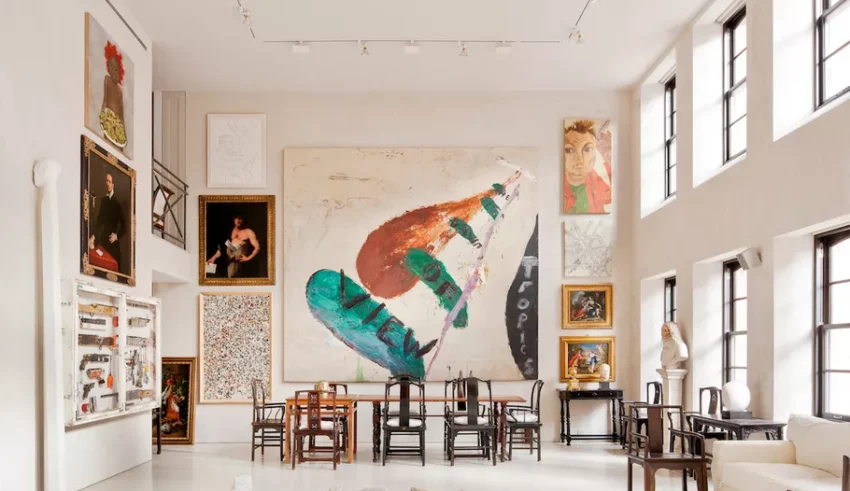
Art collecting used to follow a bit of a formula. Collectors ventured into established gallery spaces in New York, London, or Paris. They purchased works by artists who had European or American training. They hung pieces that often fell neatly into Western art history narratives, impressionism, abstract expressionism, pop art, etc.
This has changed in the last decade or so. Now, a serious collector’s home reflects as much multiculturalism as a museum, Indigenous Australian paintings next to contemporary photography; African textiles next to minimalist sculpture. And it’s not just an aesthetic appeal but social equity based on whose stories are told, whose techniques are honored, and what really qualifies as “important” art.
Table of Contents
The Cracks in the Gallery System
Western galleries have operated like gatekeepers. They determine who the important artists are, which movements matter, and ultimately, what needs to be collected. But this collection paradigm has glaring blind spots.
For starters, it ignores millennia of artistic cultivation from cultures that were not Eurocentric. Aboriginal Australians have been telling visual stories for over sixty thousand years but ultimately have been categorized as “craft” or “artifact” instead of fine art. The same goes for much of Africa, Asia, and Indigenous American artwork.
Moreover, the gallery system created artificial scarcity. By honing in on a predominantly Western potential artist pool, prices soared to unrealistic heights while comparable masterpieces from other cultures went undervalued. In fact, it’s been a no-brainer for smart buyers to learn about pieces with cultural relevance and artistic merit available for much less compared to the six-figure asking prices for an average piece from a contemporary known in these established gallery spaces.
What Changed the Conversation
It’s complicated to break down what changed the conversation over time; however, one of the biggest transformations has been the power of the internet – no longer do collectors need to solely rely upon prestigious establishments; they can connect with artists and communities from both near and far previously excluded by conventional means of connection.
Furthermore, there have been plenty of museums willing to reassess collections. Major institutions have acknowledged how their Eurocentric perspectives have led to acquisitions and exhibitions that lost diversity. When the Louvre and British Museum start to scrutinize their colonial legacy, collectors listen. It no longer makes sense to populate homes only with Western artwork as the larger world has started to question these hierarchies.
There’s also a heightened awareness of cultural authenticity. For decades mass-produced “ethnic” décor overwhelmed the market. However, educated buyers wanted something real, such as pieces with real cultural significance by those actual artists instead of appropriated efforts manufactured in factories.
Why Aboriginal Art Caught On
Few pieces better qualified this shift than Indigenous Australian art. For years it found its way into ethnographic museums or tourist shops but serious collectors disregarded it. Then people looked and really looked at the work and found themselves captivated.
For one thing, it’s highly visually appealing. But beyond that appeal are the coded Dreamtime stories and mapping of ancestral territory through dot work that designates textless significance. What guides, understood for tens of thousands of years before Europeans settled in Australia, are akin to maps that guide current cultures making their way across the Australian outback but represented in beautiful visual form is more than decoration; it’s purposeful knowledge and cultural documentation.
Second, Aboriginal art is technically challenging in ways that collectors respect, not easy sketches done in seconds but painstakingly beautiful efforts made through dot by dot creation of iconic interpretations over weeks or months for a single canvas.
Price accessibly also helps. While museum quality Aboriginal works fetch serious money at auction, entry-level pieces are surprisingly affordable; collectors looking for cultural authenticity can without much hesitation find a painting under $500 that was genuinely created instead of mass-produced imitations by Aboriginal artists. Therefore, there’s no exclusionary access to starting one’s collection.
The Authentication Question
One of the problems associated with collecting pieces outside of traditionally Western channels is authenticity. For example, when buying Aboriginal pieces (or any non-Western items) provenance matters. Who is the artist? What is their connection to the paintings? Are they appropriately paid or is this exploitation under the guise of cultural appreciation?
Therefore, reputable sellers come equipped with what’s needed – biographies of artists and explanations about cultural significance as well as clarified measures that ensure proceeds go back to artists and their communities. Unscrupulous operators sell “Aboriginal-style” paintings created by non-Aboriginal artists, sometimes overseas with no connection to the imagery they’re pilfering from thousands of miles away.
Ironically, authenticity is something that’s prompted collectors to ask better questions about non-Western arts, not so much as “Will this look good on my wall?” but “Where did this come from? Who made it? What does it mean?” which is a better avenue for healthy collecting regardless of cultural background.
What This Means for Future Collecting
The connections made beyond Western galleries are not something that will go back to normalcy as trends want. Younger generations appreciate art through a global lens. Cultural diversity in collections is appreciated and sought after; pieces represent interdisciplinary understandings of creativity.
This does not mean Western art loses relevance but gains expanded definitions. A Rothko print can easily hang alongside an Aboriginal bark painting when both operate through intentional visual storytelling, but perhaps from two completely separate worlds.
The market will adapt as well, auction houses have rare department offers for Indigenous works. Platforms have been developed online where collectors can connect directly with unrecognized talent and pieces from other traditions. Major works are now being valued up for auctions as collectors realize their cultural health value outweighs what previously confined Western art has similarly charged.
The Bigger Picture
This means more than aesthetic appeal but acknowledgment that every culture has its significant works as much as they always have had to offer regardless of cultural biases that prevented earlier acknowledgment. The outdated prejudices for either European work or American efforts meant a power structure determined who would get validation over who would get dismissed.
For collectors, this opens up fascinating opportunities that historically would only excite niche demographics in particular areas, vast works based on culture provide easier access than Western contemporary realms, with more substantial connections between living cultures with purchased pieces actively meaningful as proceeds go back to communities keeping such ancient ways alive.
The art world has its own work to do but at least there’s progress such that Aboriginal paintings and African sculptures and whatever else is being sought out signals success within realms rarely appreciated in recent history. Perhaps finally these disparate parts appeal to a larger human interest instead of one so historically narrow-minded.