
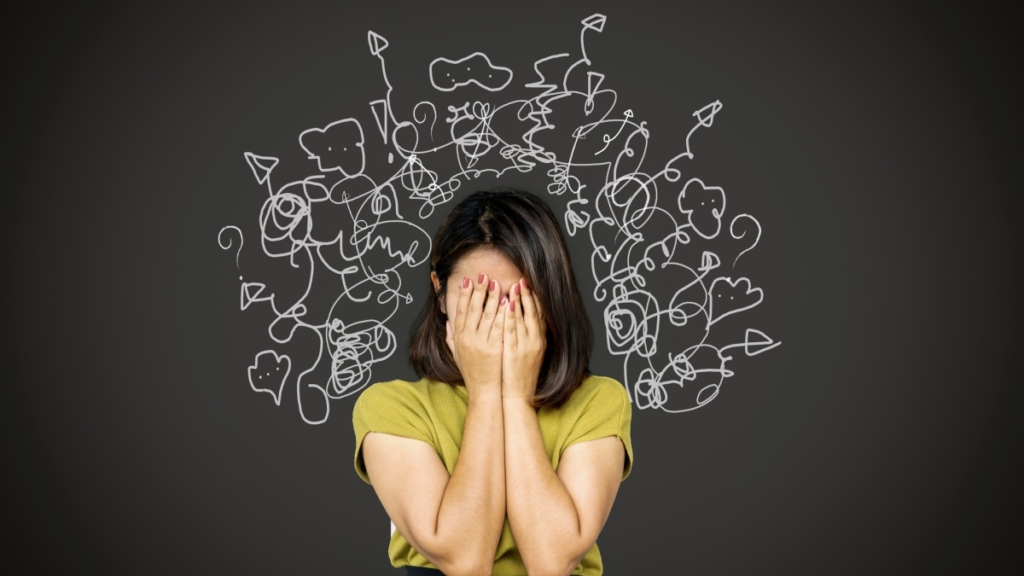
Everyone is familiar with stress, and it can even be beneficial in small bursts. It allows people to focus, take action and channel their efforts to rise to a challenge. The challenge comes, however, when it doesn’t turn off. When stress becomes the chronic white noise of one’s life instead of a temporary response to a specific circumstance, it runs deeper than feeling tired or tense. It begins to transform how the brain works, how emotions are felt and processed, and how people relate to themselves and others.
And most people don’t even realize how much has changed until they’re so far in. It’s one of the reasons why chronic stress is so difficult to treat.
Table of Contents
What a Brain Looks Like Under Stress for Extended Periods
A brain under chronic stress is fighting for its life. The stress response was meant to be short-lived. When it remains on for days and weeks on end, cognitive changes occur in exceedingly profound ways. Memory fades, attention span shrinks, and flexible thinking becomes stunted as the brain saves resources for what’s deemed life or death.
Anyone who’s been aware that stress has been wreaking havoc on their lives for an extended period should consider self esteem therapy denver, as chronic stress and self-esteem are more entwined than many realize. It’s common for people to describe thinking as a fog where once manageable projects become effortful endeavors and easy choices become draining decisions that no one understands unless they’ve been there themselves.
Why Emotional Reactions Become Disproportionate
Where chronic stress gets even more challenging is in emotional upheaval. People tend to feel more irritable as their nervous systems run at capacity since people hardly ever notice when they’re stressed; at a moment’s notice, a minor trigger creates a massive response. It’s hard to be patient. The space between an event and a response closes in over time.
Conversely, positive emotions become harder to find. Things once enjoyed fall flat. For those unaware of their new circumstances, it’s easy to mistake emotional distortion as personality change instead of a biological transformation from chronic stress.
The Link to Self-Worth
When people come accustomed to functioning from a depleted state for long enough, their perspectives on themselves begin to change. Mistakes feel amplified, perceived failures fall harder, and the internal critique becomes deadly. Therefore, the ability to find balance within one’s strengths and previously decorated history becomes overshadowed by the two’s association with one another—stress and self-worth rarely live separately, but they’re easier to treat as independent factors than when combined for more long-term results.
How Thought Patterns Change Over Time
One of the less chronic stressed about is how thought patterns change over time. Thoughts become rigid, negative, and automatically oriented toward the worst possible outcomes. A brain primed for stress scans for danger; sadly, this means it finds problems instead of solutions and opens ambiguous situations under threat rather than neutral territory.
When all of this occurs it can feel like a personality shift instead of the influence of chronic stress—this is why people live with it so long without help. They assume they’ve simply become more anxious or pessimistic without realizing their nervous systems had been through the wringer without any respite from critical thinking and flexible coping strategies.
How Relationships Are Impacted
Chronic stress rarely stays confined to the person experiencing it. For example, withdrawal occurs often from both general exhaustion and an overwhelming need for emotional resources that aren’t there, conflict reigns supreme due to the nervous system remaining on a threat “high;”. What should not be taken personally is received as critique and disagreements are charged heavier than ever intended.
Partners, friends and relatives recognize the shift long before the person does; it’s unintentionally relational—a distanced perception of performance, misunderstandings, disconnection become additional sources of stress compounding the initial issue from which it derived in the first place.
Physical Signs That Often Go Unnoticed
The body carries chronic stress in symptoms that are easy to attribute to anything else. Disrupted sleep patterns emerge, shoulders and jaws seize up, headaches, bowel disturbances and malnourished states abound. These all occur frequently without anyone linking them together until symptom relief strikes on an individual basis.
It’s important to observe trends, not isolated incidents. When physical complaints accompany shifts in mood and thinking/behavior, there’s a common thread their afflicted with, a nervous system that’s been overextended.
Why Rest Alone Doesn’t Always Cure This Condition
A vacation or calmer week can help restore some semblance of normalcy, but chronic stress typically has deeper roots than something that superficial can sense. The same thought processes, beliefs about self and situations maintaining the stress response are still there when life picks back up again post-rest; it’s just harder to approach them without reality footing the bill.
Chronic stress requires deeper insight into what’s caused it other than temporary relief from its visible symptoms—and that’s often work; for many people it’s terrain that feels foreign and thus not as easily traversed right away.
Where Recovery Starts
Understanding chronic stress produces measurable shifts within brain function and body where it’s invaluable because it destigmatizes the shame survivors often feel about themselves—for example, it’s not their fault they can’t concentrate; it’s not a sign of being ungrateful when things feel emotionally bland—these are worked upon responses from prolonged stress-induced states.
Recovery starts with identifying the pattern for what it is and making changes that go deeper than coping strategies effective enough. This takes time but recovery becomes increasingly clear once the hard work is done from the get go.