
Buying a car from another state can be a good deal. But before finalizing the purchase and facing all sorts of issues, it’s crucial to take precautions before the sale. Thankfully, the risk is more present at the beginning and the rest of the process is manageable – it’s mostly logistics.
To protect yourself and your money, you need to firstly check the Personal Property Securities Register (PPSR) to determine whether the car carries any existing debt from a previous owner. If it does, you buy that debt along with the car. Next, organize a pre-purchase inspection to identify any mechanical or safety issues. Early steps but are your best insurance that everything else will go smoothly.
Table of Contents
Registration and Permits Across State Lines
Once you’re sure you’re going to make a purchase, the next considerations are how the vehicle is getting home, and what paperwork you need to do so.
If the vehicle is unregistered, or registered someplace else, you can’t just drive it home. You’ll need some documentation; most states offer an Unregistered Vehicle Permit (UVP); a temporary permit allowing you to legally move an unregistered vehicle to a destination. These permits vary in source and destination. Some are single-use and route-bound. Break any of these conditions and you could face a fine or have the vehicle impounded.
When you eventually register the vehicle in your home state, you’ll need a Roadworthy Certificate meeting your state’s specific safety standards. You’ll also likely be liable for stamp duty on the vehicle’s sale price. Stamp duty varies from state-to-state and with the cost of the vehicle. Be sure to budget for both.
Choosing How To Transport The Car
Transporting a cross-state purchase back seems like the easiest thing in the world. Probably, it is easier than you think. But it’s also not as easy as it should be. UVP’s are exposed to unexpected mileage, and if anything goes wrong during the trip, you’re stranded far from home with an uninsured unregistered car. It’s simply not worth the grief.
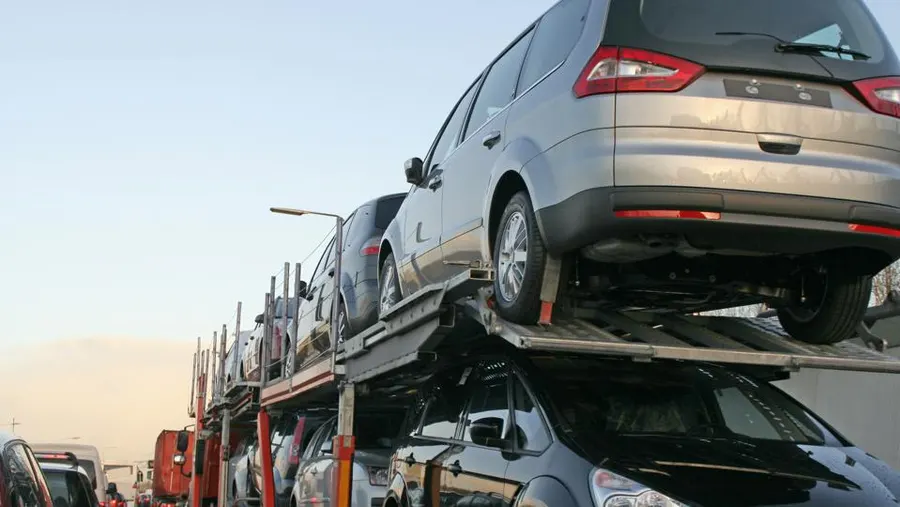
A smarter option is getting a professional carrier to move your car. For the right trip, this isn’t even that much more expensive than doing it yourself. Arranging car transport newcastle to brisbane with a professional carrier, for example, is cheaper than driving it down yourself – and you don’t need any permits. It’s a real no-brainer.
When comparing carriers, the main choice is between open and enclosed transport. Open carriers are the standard option – cost-effective and widely used for everyday vehicles. Enclosed carriers offer protection from weather and road debris, which matters for prestige vehicles, older cars, or anything with a fresh paint job. Within those categories, you’ll choose between depot-to-depot transport (you drop off and collect at a hub, which reduces the price) and door-to-door delivery, where the carrier picks up and delivers as close to your addresses as the local roads allow.
Neither option is universally better. It comes down to the vehicle, your budget, and how much convenience you’re paying for.
Document Everything Before The Carrier Leaves
Many buyers fall into a trap at this point. While it’s logical to assume insurance coverage should be the transport company’s responsibility, it’s generally a case of “buyer beware”.
Before the vehicle is loaded, photograph it thoroughly – every panel, the interior, the undercarriage if you can manage it. Time-stamped, high-resolution images. Then check the Bill of Lading the carrier provides. This document records the vehicle’s condition at pickup and forms the basis of any damage claim if something goes wrong in transit. If you spot damage at delivery that isn’t on the Bill of Lading, your options become significantly more limited.
On the insurance side, don’t assume your standard policy covers the vehicle while it’s on a carrier. Most don’t. Ask the transport company directly about their transit insurance – what the policy limits are, what’s excluded, and whether you need to arrange a separate transit insurance policy to fill any gaps. This is especially worth checking for higher-value vehicles.
After Delivery
After your car arrives and you’re certain you’re happy with it, check it against your pre-transport photos. Only sign for delivery if you’re satisfied. If you’re not, declare the issues there and then on the delivery docket. Don’t wait.
From there, it’s just a matter of dealing with your home state registration, along with the required certificate, and whatever duties that may be applicable. The paperwork can be a bit ho-hum, but it’s easy enough once the vehicle’s physically in your hand and the paperwork is right.
Interstate buying is successful when it’s done right. It’s the shortcuts that hurt people.